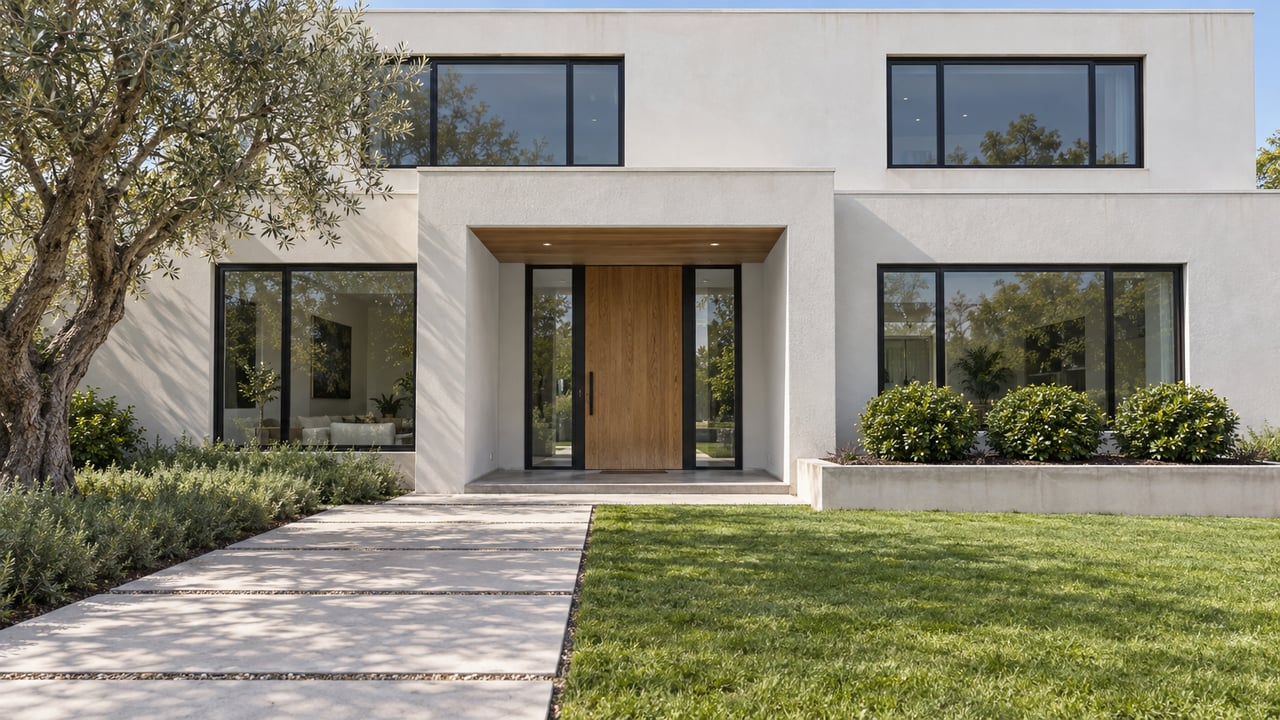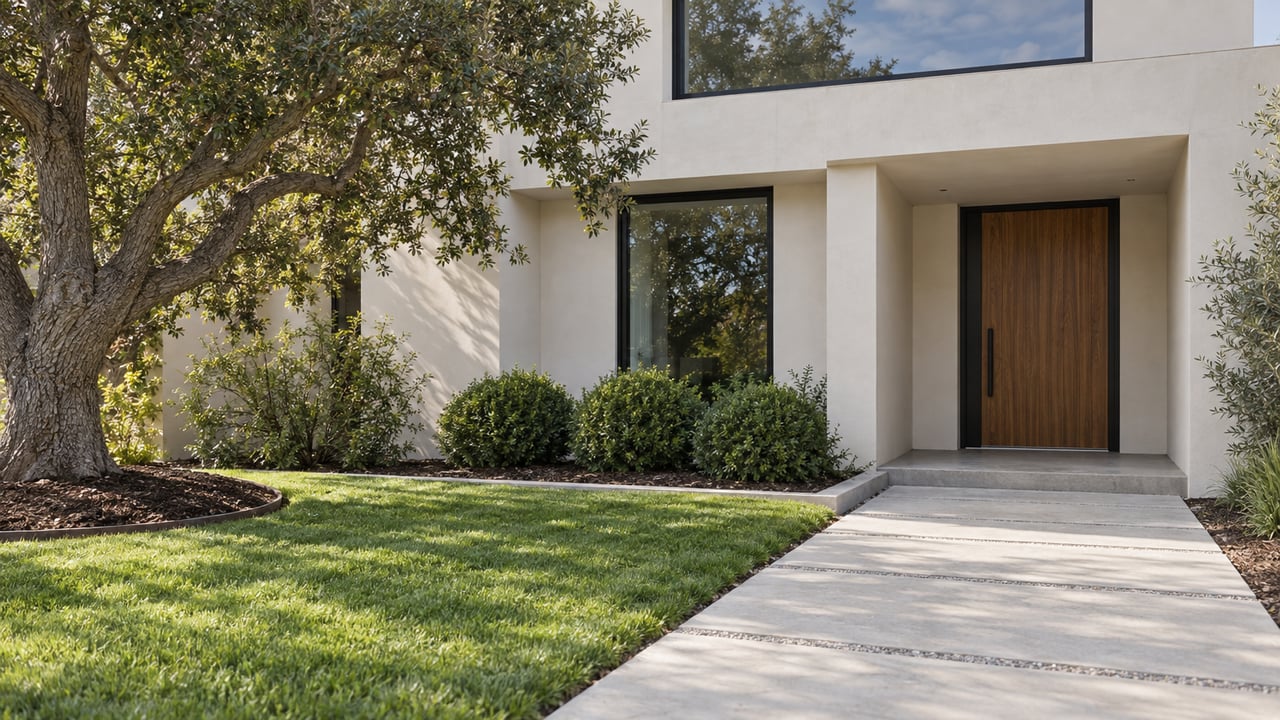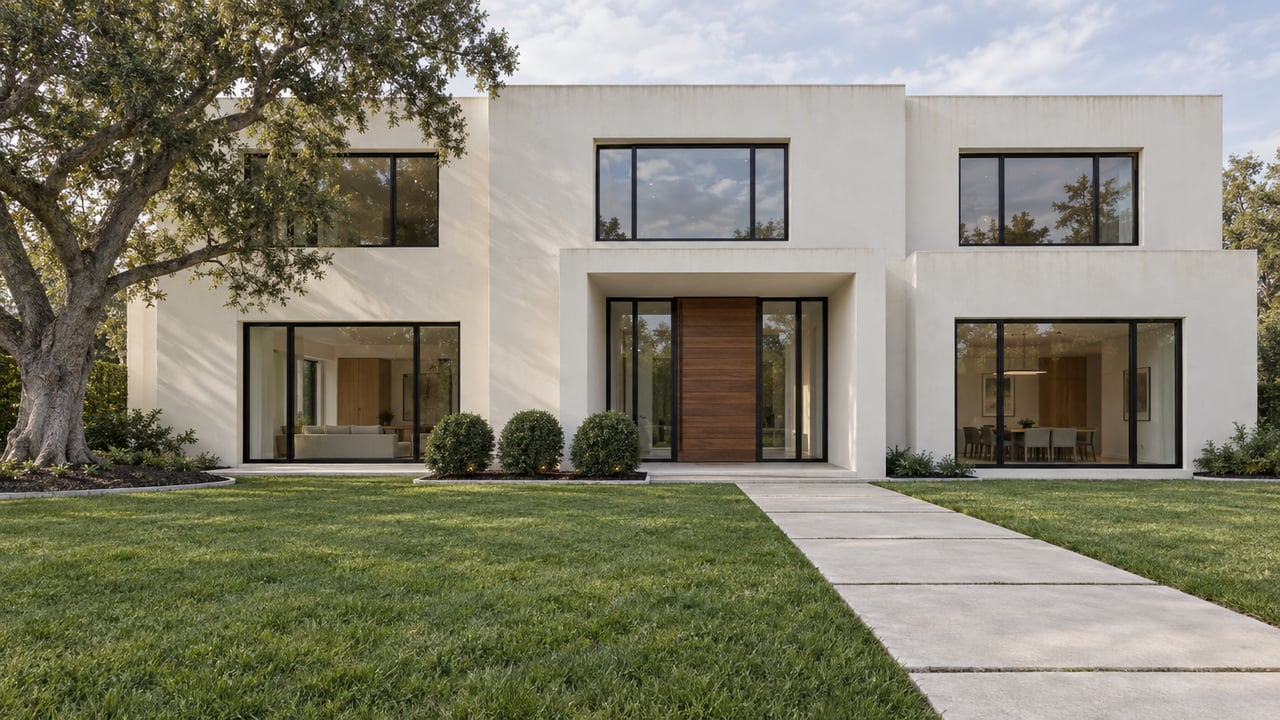
In May 2026, a one-acre Encino estate with a wine cellar, a gym and a vocal booth was listed for $6.49 million. Four months and roughly a million dollars in price cuts later, it closed for $5,399,000, according to MarketWatch.
That closing price sits $1,000 below the line where the City of Los Angeles adds its Measure ULA transfer tax. An offer just $2,000 higher would have cost the seller about $216,000 in added city tax. In Encino's top price band, $5.4 million works less like a price point and more like a wall. The homes that run into it either sell for less than they're worth, get remodeled instead of sold, or never come to market.
How the line works in 2026
All of Encino is inside the City of Los Angeles, so every sale here pays the city's real property transfer tax. Under the City Office of Finance's Measure ULA FAQ, deals that close after June 30, 2026 fall into three tiers:
| Sale price | Base city tax | ULA tax | Combined rate |
|---|---|---|---|
| $5,400,000 or less | 0.45% | 0% | 0.45% |
| Over $5,400,000, under $10,900,000 | 0.45% | 4% | 4.45% |
| $10,900,000 or more | 0.45% | 5.5% | 5.95% |
The tax is figured on the full consideration, not just the portion above the threshold. Crossing the line by a single dollar moves the whole price into the 4.45% tier. The thresholds also move every year with the Bureau of Labor Statistics Chained CPI, which is why the line was $5.3 million through June 30 and became $5.4 million on July 1.
The band where more money means less money
Here is the city's own rate schedule run against a few Encino price points. The proceeds column shows the sale price minus the city transfer tax and nothing else, assuming the seller pays that tax. Commissions, the county's transfer tax and payoff amounts all come out after this.
| Sale price | City transfer tax | Left after city tax |
|---|---|---|
| $5,399,000 | about $24,300 | about $5,374,700 |
| $5,401,000 | about $240,300 | about $5,160,700 |
| $5,500,000 | about $244,800 | about $5,255,300 |
| $5,625,000 | about $250,300 | about $5,374,700 |
| $6,490,000 | about $288,800 | about $6,201,200 |
Going from $5,399,000 to $5,401,000 adds roughly $216,000 in city tax. A seller doesn't get back to the same post-tax figure until the price reaches about $5.625 million. Every offer between $5.4 million and roughly $5.62 million leaves the seller with less money than an offer at the line.
For a home whose fair market value falls somewhere in that band, there's no price above the threshold that makes sense on paper. The rational move is to land at or just under $5.4 million, which is where the estate above closed.
The researchers found the wall, too
Three separate research efforts have looked at Los Angeles sales since ULA took effect on April 1, 2023. All of them found the same shape in the data.
- Pepperdine and Beacon Economics, July 2026. The report found "visible clustering" right below the thresholds. It estimated that monthly high-value transactions in the city fell about 41% compared with surrounding jurisdictions. It also found that $5 million-plus single-family sale prices underperformed comparable homes outside the city by roughly 11% to 12%. The research was funded by the Greater Los Angeles Association of Realtors and the Arthur N. Rupe Foundation, and the authors say they set the design and conclusions independently.
- Journal of Public Economics, August 2026. A peer-reviewed study estimated a 49% drop in the likelihood that city parcels worth $5 million or more would sell, measured against comparable parcels outside the city. It also documented price bunching just below the threshold.
- UCLA Lewis Center, April 2025. Its earlier analysis found a 49% to 55% decline in transactions above the threshold during ULA's first 20 months. The authors cautioned that their evidence was not definitive.
Pepperdine estimated about 1,177 fewer high-value transactions across fiscal years 2024 through 2026. The report also says its method can't tell whether a missing sale was repriced under the line, delayed, moved elsewhere or never happened. None of these studies breaks out Encino on its own. They describe the citywide market Encino's high end belongs to.
Where the missing sellers went
For some of them, the answer is the contractor's office. In July 2026, The Real Deal reported that Gesh Group founder Oren Levy had seen his firm's work flip. Before ULA, it was about 80% new development and 20% remodels. Now it's about 60% remodels and 40% new builds, and the renovations often take homes down to the studs. Levy named Encino along with Sherman Oaks, Bel Air and Brentwood as places where many of these $1 million to $6 million remodels are happening.
Levy described a Brentwood client who had planned to sell. Once the transfer tax and commissions were added up to about 11% of proceeds, the owners put that money into their current house instead.
The same article explains why the cliff is so hard to price around. A Valley-focused agent told The Real Deal that "buyers generally do not assign additional value to a property simply because the seller has a substantial ULA obligation." He also warned that a renovation carries no guarantee the market will pay back the investment. The seller is carrying the tax, while the buyer is shopping by comparable homes, and those two numbers don't line up.
Academic research shows the same pattern. Yingru Pan's working paper, summarized by UCLA Anderson Review in February 2026, estimated a 46% increase in remodeling permits for high-priced City of Los Angeles homes after the tax, compared with the lowest price tier. "High-priced" in that paper starts at $4 million, a bit below ULA's own line, and the paper doesn't isolate Encino.
Every Encino house that gets renovated instead of listed is one less option for a buyer shopping above $5 million. That's a big part of why the top of the market feels thinner than the overall numbers suggest.
The rules aren't changing this fall
Hoping for relief before a listing goes up has a weak record so far.
- A statewide initiative backed by the Howard Jarvis Taxpayers Association would have sharply capped transfer taxes. CalMatters reported that it was withdrawn at the late-June 2026 deadline. The compromise measure headed to voters leaves existing taxes like ULA untouched.
- On July 2, 2026, the City Council shelved a proposed 10-year ULA exemption for new multifamily buildings on a 13–1 vote, according to the Daily News.
- On Dec. 15, 2025, the California Court of Appeal rejected the Howard Jarvis challenge to the voter initiative power used to pass ULA, Courthouse News reported.
- The status of AB 736, which proposed a 1.5% ceiling that would affect ULA, was still unclear as of Sept. 28, according to the Los Angeles Business Journal.
- The only carve-out on the November 2026 ballot is a narrow one for certain homes damaged or destroyed in the Palisades Fire, NBC Los Angeles reported.
Single-family homes are a big source of the money. The Business Journal reported cumulative ULA collections of nearly $1.4 billion as of Sept. 28, 2026, with 41% coming from single-family sales.
The wider Valley market around it
For Encino sellers near the threshold, the market below the line is softening too. The Southland Regional Association of Realtors reported 402 single-family closings across the San Fernando Valley in September 2026. That's down 23.1% from September 2025. The Valley's median single-family price was $1,101,000, down 4.3% year over year. These are Valley-wide figures with no luxury breakdown. Still, with fewer buyers overall, there's less room to hold firm at $5.6 million and wait for someone to clear the band.
Questions we hear about the threshold
Does a sale at exactly $5,400,000 trigger ULA? The city's FAQ applies the 4% tier to sales "over" or "greater than" $5,400,000, and its rate table puts $5,400,000 and below in the 0.45% tier. Confirm the specifics of any transaction with your escrow officer and tax advisor.
Will the line be in the same place next summer? Probably not. The thresholds are adjusted every year by Chained CPI, which is how $5.3 million became $5.4 million on July 1, 2026.
Is the tax charged only on the amount above $5.4 million? No. The rate applies to the full consideration of the sale.
Where do the buyer's and seller's numbers meet in that band? For an Encino home valued between $5.4 million and about $5.63 million, the seller's post-tax math and the buyer's comparable sales can both point to a price at or just under the line.
If your Encino home might be worth somewhere between $5 million and $6 million, it helps to know which side of the line it realistically lands on before you choose a list price or a remodel. NewMarket Homes LA can run that math against current comparable sales with you, and if presentation could change the outcome, we can walk you through how Compass Concierge fits in. Request a free home valuation and we'll show you where your home sits relative to $5.4 million.
This article is general information, not legal, tax or financial advice. Consult a qualified professional about your situation.