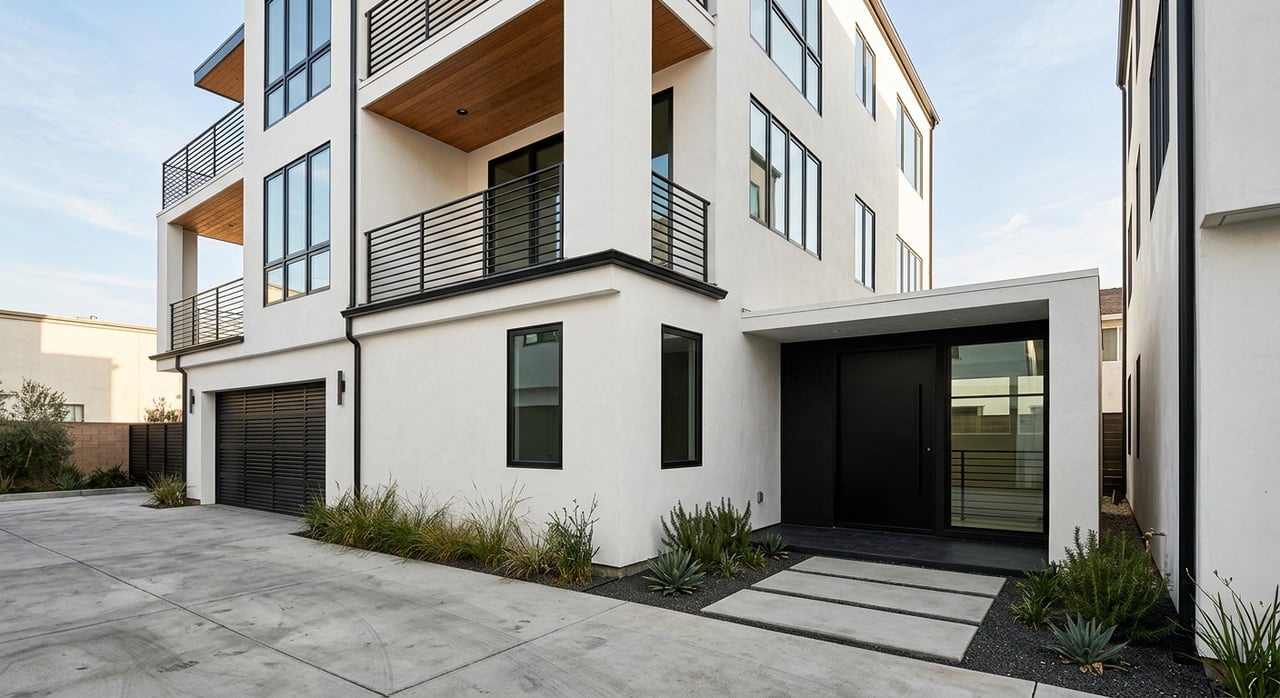
Looking for a lower-cost path into Studio City without giving up location or lifestyle? Condos and townhomes can put you close to Ventura Boulevard, casual dining, and canyon access at a price point below most single-family homes. In this guide, you’ll see where these homes cluster, what typical prices and HOA fees look like, how financing works, and the key documents to review before you buy. Let’s dive in.
Why choose a Studio City condo or townhome
Studio City is one of the Valley’s higher-priced submarkets. Recent portal snapshots show single-family homes often trading in the 1.6M to 4M-plus range, with a reported median near 2.30M and an average home value estimate closer to 1.55M depending on the data source. Condos and townhomes usually sit well below those figures.
For price context, many 1-bed or smaller 2-bed condos often list in the 450k to 800k range, while larger condos and 2 to 3 bed townhomes commonly list from about 800k to 1.4M-plus depending on size, parking, and finishes. Exact pricing varies by building, location, and current inventory, so confirm up-to-date comparables before you tour.
Where condo and townhome inventory clusters
Ventura and Colfax corridor
You will find a heavy concentration of garden-style condos and townhome communities near Ventura Boulevard and the Colfax corridor. These low-rise buildings often feature shared courtyards, pools, and assigned parking, and they offer easy access to the commercial spine along Ventura.
Valleyheart, Whitsett, and Moorpark pockets
Valleyheart Drive, Whitsett, and Moorpark show frequent resale activity in low-rise and courtyard-style buildings. These pockets include a mix of older, larger-footprint communities and newer boutique mid-rises that can command premiums for modern finishes and secure entry.
Studio Village and nearby townhomes
Well-known townhouse clusters such as Studio Village and developments around Colfax Meadows offer multi-level layouts and private garages. These units can live more like single-family homes, which appeals if you want a private entry and extra storage.
Common home types you will see
Garden-style, low-rise condos
These communities are typically two to four stories with landscaped courtyards and shared amenities. You will often see surface or covered parking, a pool or spa, and HOA-managed exterior upkeep. They tend to deliver good value per square foot.
Townhomes and row-style units
Townhomes are multi-level and often include private or tandem garages. Many have no neighbors above or below, which increases privacy. If you want a single-family feel at a lower price, this style is worth a close look.
Boutique mid-rise condos
Smaller, newer buildings near the commercial core may feature elevators, controlled access, rooftop decks, and high-end finishes. They can cost more per square foot, but you gain convenience and amenities that simplify daily life.
Amenities and HOA fees to expect
Many Studio City condo and townhome communities advertise pools and spas, compact fitness rooms, gated entries, private or assigned garage parking, shared courtyards, and in some boutique buildings, rooftop spaces. Larger complexes may include elevators, on-site or professional management, and guest parking.
Typical HOA fees in local listings often range from about 350 to 800-plus dollars per month, depending on the community, unit size, and amenity package. Always confirm what is covered, because buildings vary.
What HOAs usually cover
- Exterior maintenance and landscaping
- Common-area utilities like lighting and pool operations
- Trash and sewer in some complexes
- Master insurance for common areas
- Professional management and reserve contributions
For a helpful overview of what to expect from HOAs and where to find documents, review this primer on how to locate and read HOA information and documents from a neutral resource like The HOA Handbook.
What HOAs often do not cover
- Interior coverage for your unit and personal property (you typically need an HO-6 policy)
- Earthquake insurance, which is frequently separate in California
- Special assessments for major capital repairs if reserves are not well funded
Ask specifically whether earthquake coverage is included and request the master policy declarations page to verify.
The documents you must review
California condo and HOA properties are governed by the Davis-Stirling Common Interest Development Act, which outlines association operations and resale disclosure standards. Expect a statutory resale packet and required disclosures during escrow. You can read more about the framework at the Davis-Stirling resource site.
Request these items as early as possible and triage the financials first:
- CC&Rs, bylaws, and rules and regulations
- Current budget and financial statements
- HOA reserve study or reserve funding statement
- Meeting minutes from the last 6 to 12 months
- Master insurance declarations, including any earthquake coverage
- Estoppel or resale certificate showing assessments and any delinquencies
- Any pending or recent litigation disclosure
If you are comparing multiple buildings, line up HOA fees against what each fee actually covers. One building’s 550 dollars that includes water and earthquake coverage can be a better total monthly value than another building’s 420 dollars without them.
Financing 101 for Studio City condos and townhomes
Warrantable vs non-warrantable
Lenders evaluate the condo project, not just your unit. If a project meets agency standards, it is considered warrantable and conventional financing is usually straightforward. If it does not, financing can require a larger down payment or specialty products. For common warrantability factors and how lenders analyze projects, see the Freddie Mac Condo Project Advisor FAQ and this summary of condominium and PUD approval considerations.
Typical non-warrantable triggers include high commercial space share, too many investor-owned units, unresolved litigation, single-entity ownership concentration, or thin reserves.
FHA, VA, and Single-Unit Approval
FHA requires project approval or Single-Unit Approval in specific cases. You or your lender can look up a project’s FHA status in HUD’s condo lookup. VA also maintains project approval standards. If your plan relies on FHA or VA, verify status early.
Down payment options
Qualified buyers may access low-down-payment products when the project is eligible. Conventional programs like Fannie Mae’s HomeReady allow as little as 3 percent down for eligible borrowers and can be used on condos that meet project criteria. Review details on Fannie Mae’s HomeReady page. FHA can allow 3.5 percent down on primary residences in approved or Single-Unit Approval scenarios, and VA can permit zero down for eligible veterans on VA-approved projects. Non-warrantable buildings often require 10 to 25 percent down or more.
Conforming vs jumbo in Los Angeles County
Los Angeles County’s high-cost conforming limit for a one-unit loan in 2026 is 1,249,125 dollars, which influences whether your loan falls under conforming guidelines or requires jumbo underwriting. You can confirm the latest limits from the FHFA announcement. Many Studio City condos and townhomes will fit under this ceiling, but some higher-end townhomes may require jumbo financing.
How competitive is the condo market
Recent data snapshots show inventory is relatively tight with days on market often in the 60 to 80 day range and sale-to-list ratios near parity. Well-priced, updated units can move quickly. Before you offer, ask your agent for a micro-market read on the specific building and nearby comps.
Buyer strategies that work
- Get a written pre-approval and have your lender check condo project eligibility tools early.
- Request the full HOA resale packet as soon as you open escrow and review the budget, reserves, minutes, and any litigation first.
- Compare your total monthly cost, including mortgage, HOA, insurance, utilities, and a realistic set-aside for potential assessments.
- If a building is non-warrantable and terms are tough, consider a larger down payment, a portfolio lender, or a different project that is warrantable or FHA/VA approved.
- Tour units needing light cosmetic updates. These can offer value and less competition if you are open to small projects.
Quick location notes for orientation
- Colfax, Valleyheart, Whitsett, Moorpark, and Bloomfield or Laurelwood have notable pockets of low-rise condos and townhomes.
- Studio Village and nearby Colfax Meadows streets feature numerous townhouse-style homes with private garages.
- Buildings closer to Ventura Boulevard tend to offer more walkable access and boutique mid-rises, while hillside edges lean toward smaller complexes and more privacy.
Buying a condo or townhome in Studio City can be a smart way to secure a great location at a lower overall price point than most single-family options. If you want help matching your budget, HOA comfort level, and lifestyle needs to the right buildings, reach out to Emily Rose for local guidance and a clear plan.
FAQs
What price range should I expect for a 2-bed Studio City condo?
- Many 2-bed condos list from roughly 600k to the low 1Ms, with size, parking, finishes, and location near Ventura Boulevard driving the spread.
How much are typical HOA fees in Studio City condos?
- HOA fees commonly range from about 350 to 800-plus dollars per month, depending on amenities, building size, and what utilities or insurance the HOA covers.
What is the difference between a condo and a townhome here?
- Condos are usually single-level within multi-unit buildings, while townhomes are multi-level with private or tandem garages and often no neighbors above or below.
Does HOA typically include earthquake insurance in Los Angeles?
- Not always. Earthquake coverage is frequently separate. Ask for the master insurance declarations to confirm whether it is included in your building.
Can I use FHA or VA to buy a Studio City condo?
- Yes, if the project is approved or you qualify for FHA Single-Unit Approval. Check status in HUD’s database and verify with your lender early.
What documents should I review before removing contingencies on a condo?
- Review CC&Rs, bylaws, rules, budget, financials, reserve study, meeting minutes, master insurance, estoppel or resale certificate, and any litigation disclosure.